Why Market Events Matter
Understand the impact of scheduled events on market prices and volatility.
The Impact of Events
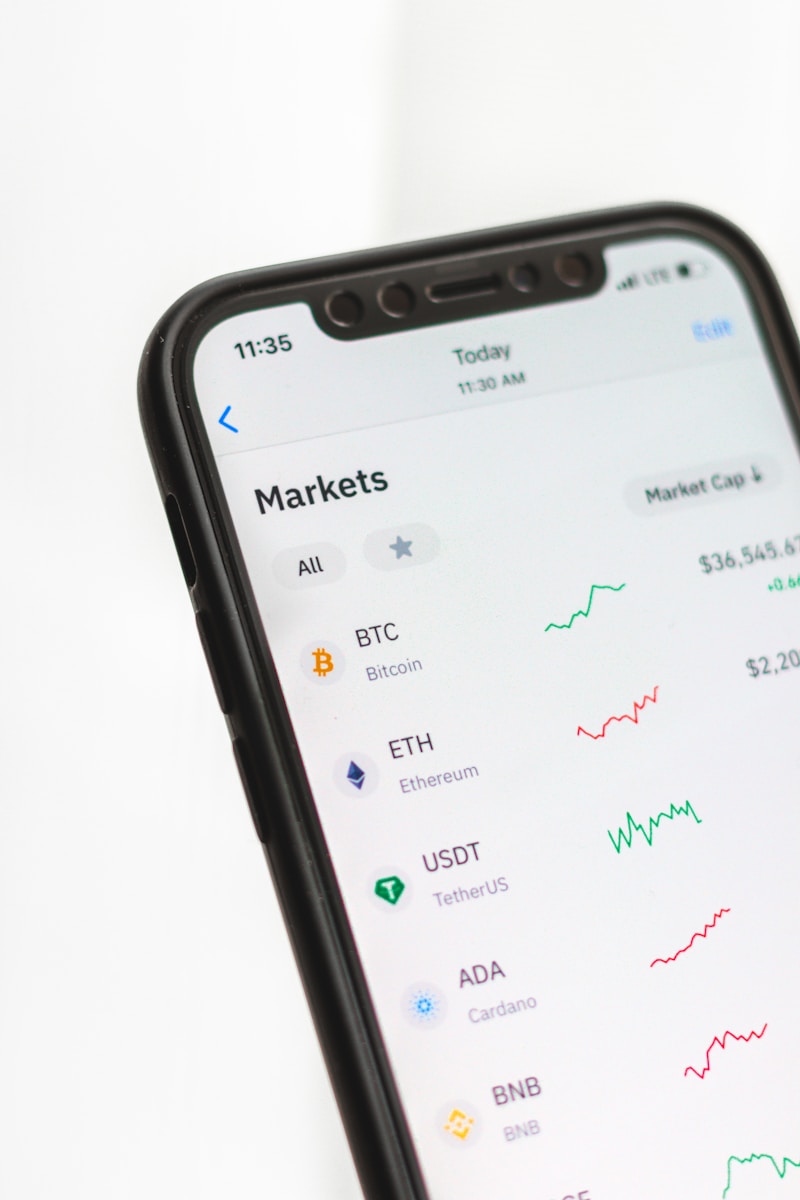
Market events can move prices dramatically in seconds. A single Fed rate decision or jobs report can trigger moves that take weeks to play out in 'normal' conditions.
Why Events Matter: - They provide new information that changes valuations - They create volatility (opportunity for traders) - They can invalidate technical setups
Warning
The Expectations Game
Markets are forward-looking. By the time an event happens, expectations are already priced in.

The key isn't what the data shows, but whether it beats or misses expectations: - Beat expectations = typically bullish - Miss expectations = typically bearish - Meet expectations = often muted reaction
Note
Types of Market Events
Economic Data: - Jobs reports, inflation (CPI), GDP - Released on a regular schedule
Central Bank Events: - Fed meetings, rate decisions, speeches - Among the most market-moving events
Corporate Events: - Earnings reports, guidance updates - Company-specific but can move sectors
Political Events: - Elections, policy announcements - Less predictable but significant
Pro Tip
Key Takeaways
- Events create volatility - both opportunity and risk
- Markets price in expectations before events
- The surprise relative to expectations drives price moves